


Advanced Auto Body Repair Techniques Revealed
- jim9812
- Sep 22, 2025
- 3 min read
Auto body repair has evolved significantly over the years. New methods and tools have improved the quality and efficiency of repairs. I will share some advanced auto body techniques that can help industries, small businesses, and individuals achieve better results. These techniques focus on precision, durability, and aesthetics.
Modern Auto Body Techniques for Quality Repairs
Auto body techniques have become more sophisticated. Traditional methods like hammer and dolly work are still useful but now complemented by technology. For example, computerized measuring systems ensure accurate frame alignment. This reduces guesswork and improves safety.
Paintless dent repair (PDR) is another modern technique. It removes dents without affecting the original paint. This method saves time and money. It also preserves the vehicle’s value. PDR uses specialized tools to massage dents from the inside out.
Another important technique is the use of high-strength adhesives. These adhesives replace some welding and mechanical fasteners. They provide strong bonds and reduce the risk of corrosion. Adhesives also help maintain the vehicle’s structural integrity.
Surface preparation has also improved. Advanced sanding machines and dust extraction systems create a cleaner work environment. This leads to better paint adhesion and a smoother finish.

Essential Tools and Materials in Auto Body Techniques
Using the right tools and materials is critical. For example, dual-action sanders provide consistent sanding without damaging the metal. Infrared curing lamps speed up paint drying times. This reduces the overall repair time.
High-quality fillers and primers are also essential. Modern fillers are lightweight and easy to shape. They provide a smooth base for painting. Primers protect the metal from rust and improve paint adhesion.
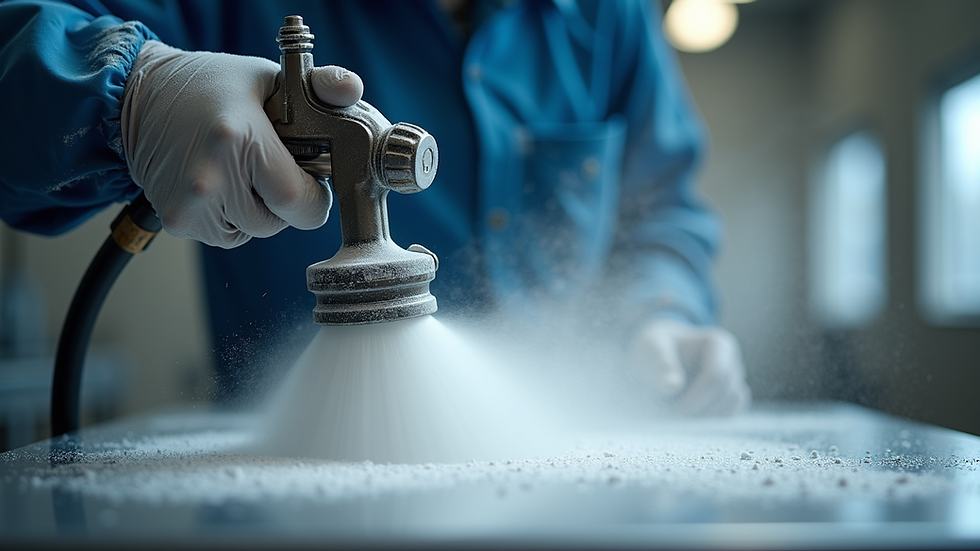
Spray guns with adjustable nozzles allow for precise paint application. This reduces overspray and waste. Using the correct paint type and mixing ratios ensures a durable finish.
Safety equipment is equally important. Respirators, gloves, and protective clothing protect workers from harmful chemicals and dust.

What are the 4 C's of Auto Repair?
The 4 C's of auto repair are Cleaning, Cutting, Clamping, and Coating. These steps form the foundation of effective repairs.
Cleaning - Remove dirt, grease, and rust from the damaged area. This ensures better adhesion of fillers and paint.
Cutting - Remove damaged or corroded metal. This step prepares the surface for patching or welding.
Clamping - Hold parts in place during welding or adhesive curing. Proper clamping prevents misalignment.
Coating - Apply primers, fillers, and paint. Coating protects the metal and restores the vehicle’s appearance.
Following these steps carefully improves repair quality and longevity.
Advanced Techniques for Frame and Structural Repairs
Frame and structural repairs require precision. Modern shops use laser measuring systems to check frame alignment. This technology detects even minor deviations.
Straightening damaged frames involves hydraulic machines. These machines apply controlled force to restore the original shape. Using the correct pulling points is crucial to avoid further damage.
Welding techniques have also advanced. MIG and TIG welding provide strong, clean welds. Some repairs use spot welding combined with adhesives for added strength.
Reinforcement plates and brackets may be added to strengthen repaired areas. These parts are often custom-fabricated for a perfect fit.

Paint and Finishing Techniques for a Flawless Look
Painting is the final step in auto body repair. Proper paint application ensures a durable and attractive finish.
Before painting, the surface must be perfectly smooth. Wet sanding with fine-grit sandpaper removes imperfections. Clean the surface thoroughly to avoid contamination.
Use a base coat followed by a clear coat. The base coat provides color, while the clear coat adds gloss and protection. Multiple thin layers produce better results than one thick layer.
Advanced paint booths control temperature and humidity. This environment reduces dust and improves drying times.
After painting, polishing and buffing remove minor defects and enhance shine. Ceramic coatings can be applied for extra protection against scratches and UV damage.
Enhancing Repair Quality with Professional Services
For industries and small businesses, investing in professional auto body repair services is wise. Experts have access to the latest tools and materials. They also follow industry standards and safety protocols.
I recommend checking out auto body repair techniques offered by trusted providers. These services ensure long-lasting repairs and customer satisfaction.
Using professional services can reduce downtime and increase productivity. It also protects your investment by maintaining vehicle value.
By adopting these advanced auto body techniques, you can achieve superior repair results. Whether you handle repairs in-house or outsource, understanding these methods helps you make informed decisions. Quality repairs extend vehicle life and improve safety.


Comments