


Comprehensive Powder Coating Solution Variety Explained
- jim9812
- Mar 16
- 3 min read
Powder coating is a popular finishing process used to protect and enhance the appearance of metal and other materials. It offers durability, corrosion resistance, and a wide range of color options. Understanding the variety of powder coating solutions available can help industries, small businesses, and individuals make informed decisions for their projects. This article explains the key aspects of powder coating, the types of coatings, application methods, and maintenance tips.
Understanding Coating Solution Variety
Powder coating comes in different types and formulations. Each type serves specific purposes depending on the material, environment, and desired finish. The main categories include thermoset powders and thermoplastic powders.
Thermoset powders cure through a chemical reaction when heated. They form a hard, durable finish that resists chipping and fading.
Thermoplastic powders melt when heated and solidify upon cooling. They can be reheated and reshaped, making them suitable for certain applications.
Within these categories, there are various resin types such as epoxy, polyester, polyurethane, and acrylic. Each resin offers unique properties:
Epoxy powders provide excellent corrosion resistance but have limited UV stability.
Polyester powders are UV resistant and ideal for outdoor use.
Polyurethane powders combine flexibility and chemical resistance.
Acrylic powders offer good weather resistance and gloss retention.
Choosing the right coating depends on the specific requirements of the project, including exposure to weather, chemicals, and mechanical wear.
Powder Coating Application Methods
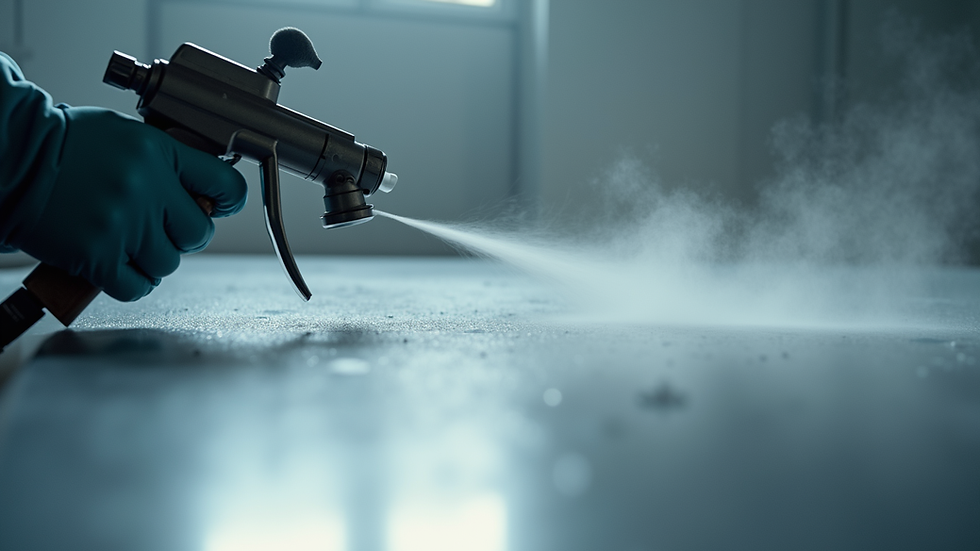
The application process is critical to achieving a high-quality finish. The most common methods include electrostatic spray, fluidized bed, and electrostatic fluidized bed.
Electrostatic Spray
This method uses a spray gun to apply charged powder particles onto a grounded part. The electrostatic charge helps the powder adhere evenly. It is suitable for complex shapes and large surfaces.
Fluidized Bed
In this process, the part is preheated and dipped into a bed of fluidized powder particles. The heat melts the powder, forming a smooth coating. This method is ideal for small parts and batch production.
Electrostatic Fluidized Bed
This combines the fluidized bed and electrostatic spray techniques. The powder is charged and fluidized, improving coating uniformity and thickness control.
Proper surface preparation is essential before application. Cleaning, degreasing, and sometimes sandblasting ensure the powder adheres well and the finish lasts longer.
Types of Finishes and Colors Available
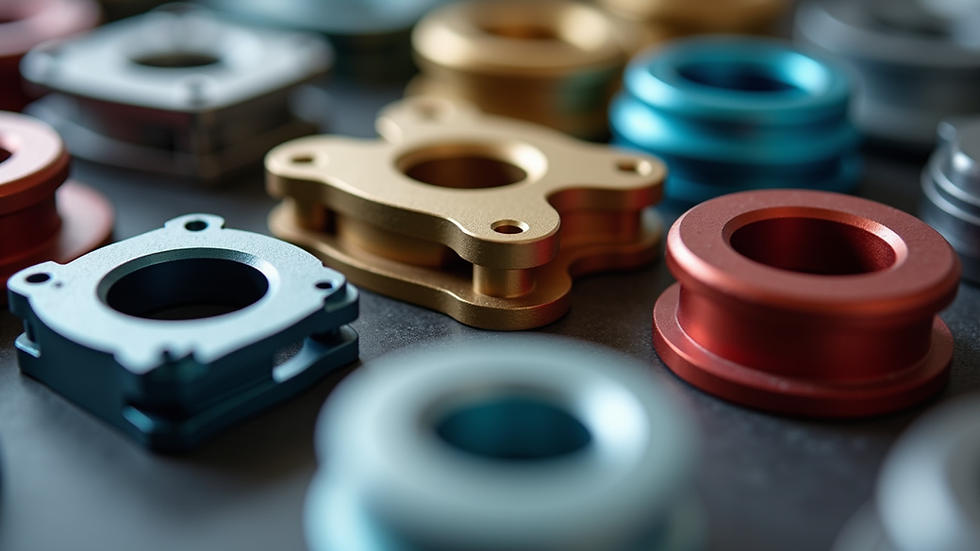
Powder coating offers a wide range of finishes and colors to meet aesthetic and functional needs. Common finishes include:
Glossy - Smooth and shiny surface that reflects light.
Matte - Non-reflective, flat finish that hides surface imperfections.
Satin - A finish between glossy and matte, offering a soft sheen.
Textured - Adds a tactile feel and hides scratches or fingerprints.
Metallic - Contains metal flakes for a shiny, reflective look.
Color options are extensive, from standard shades to custom colors. Many powder coating providers offer color matching services to meet specific branding or design requirements.
Maintenance and Durability of Powder Coatings
Powder coatings are known for their durability and low maintenance. They resist chipping, scratching, fading, and corrosion better than traditional paint. However, proper care can extend their lifespan.
Cleaning: Use mild soap and water with a soft cloth or sponge. Avoid abrasive cleaners or solvents.
Inspection: Regularly check for chips or damage. Prompt repair prevents corrosion.
Touch-ups: Small damaged areas can be repaired with touch-up powders or spray kits.
Environmental factors such as UV exposure, humidity, and chemicals affect the coating’s longevity. Selecting the right powder coating type for the environment is crucial.
Choosing the Right Powder Coating Provider
Selecting a reliable powder coating provider ensures quality results. Look for companies that offer:
Expertise in different coating types and finishes.
Advanced application equipment and technology.
Custom color matching and finishing options.
Strong customer service and technical support.
Compliance with environmental and safety standards.
For those in the Ashland, VA area, Pro Powder and Paint aims to be the leading provider of high-quality, long-lasting custom coating and finishing solutions. Their experience with diverse clientele ensures tailored solutions for every project.
For more detailed information on powder coating solutions, visit their website.
Maximizing the Benefits of Powder Coating
To get the most from powder coating, consider these practical tips:
Plan for surface preparation: Proper cleaning and treatment improve adhesion.
Select the right powder type: Match the resin and finish to the application environment.
Control application parameters: Temperature, powder thickness, and curing time affect quality.
Schedule regular maintenance: Clean and inspect coated parts to maintain appearance and protection.
Work with experienced professionals: Their knowledge can prevent common issues and optimize results.
Powder coating is a versatile and effective finishing method. Understanding the variety of options and processes helps achieve durable, attractive, and cost-effective coatings for any project.


Comments